
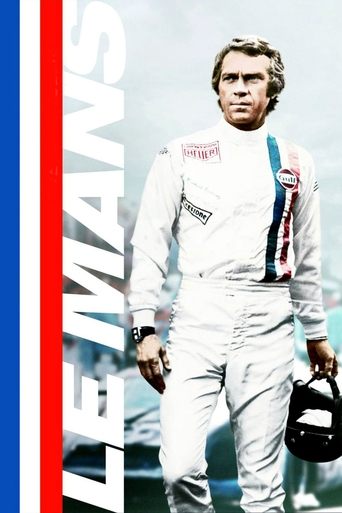
 1971Le Mans104 min6.8
Four laps, twenty years
1970›197428 films1975›197930 films1980›198430 films1985›198973 films
Lap one: 1970 to 1974
Whole lap ›1971Le Mans104 min6.8 1972The Candidate110 min6.5
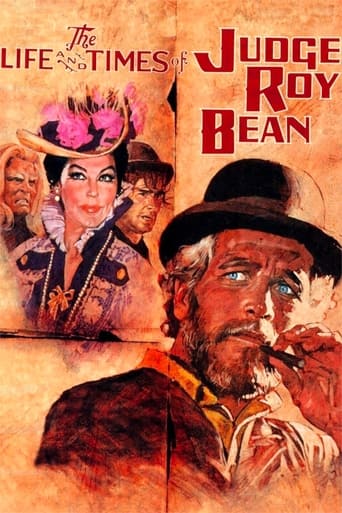 1972The Life and Times of Judge Roy Bean120 min6.5
 1973The Paper Chase113 min6.8
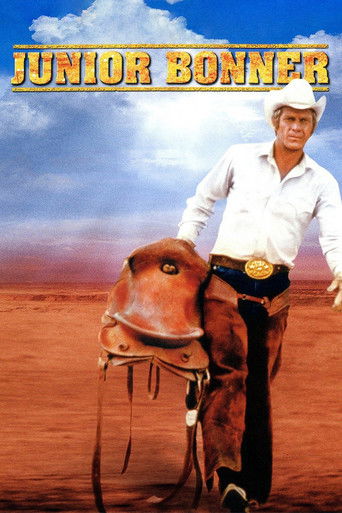 1972Junior Bonner100 min6.1
 1970The Railway Children109 min6.8
 1971The Million Dollar Duck92 min5.8
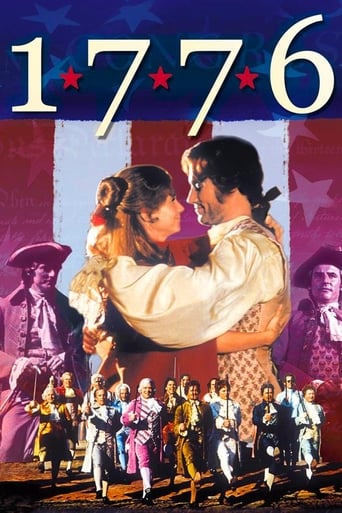 19721776141 min6.9
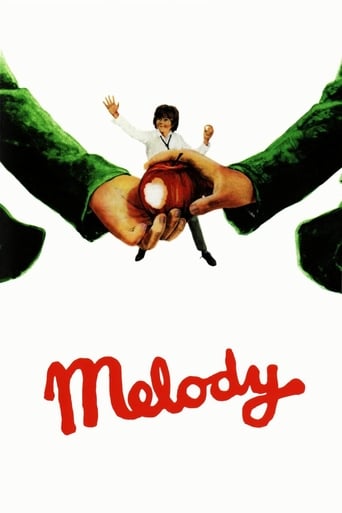 1971Melody103 min7.0
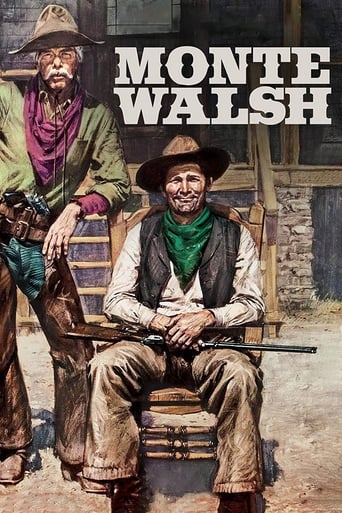 1970Monte Walsh99 min6.3
 1972The Great Northfield Minnesota Raid91 min5.7
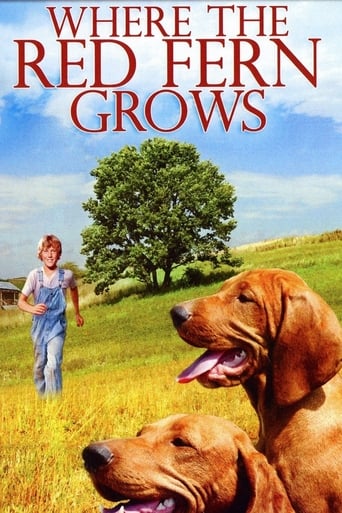 1974Where the Red Fern Grows97 min6.9
Lap two: 1975 to 1979
Whole lap ›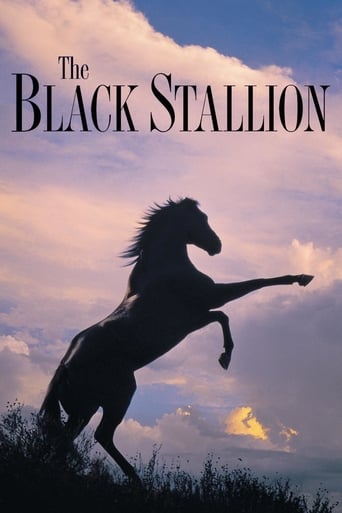 1979The Black Stallion118 min7.1
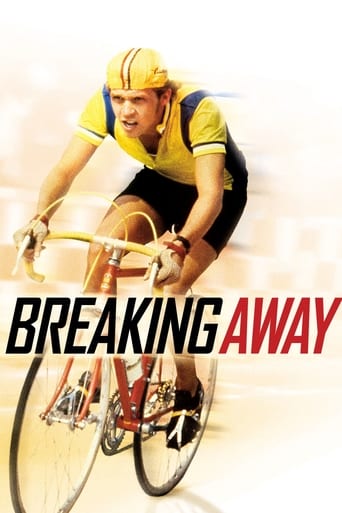 1979Breaking Away101 min7.2
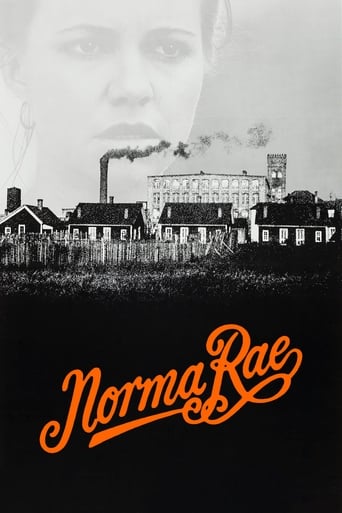 1979Norma Rae110 min7.2
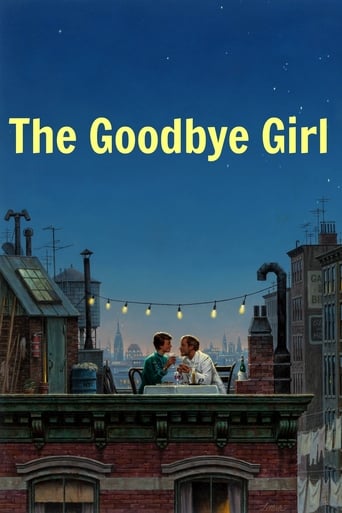 1977The Goodbye Girl111 min6.9
 1979Elvis168 min6.9
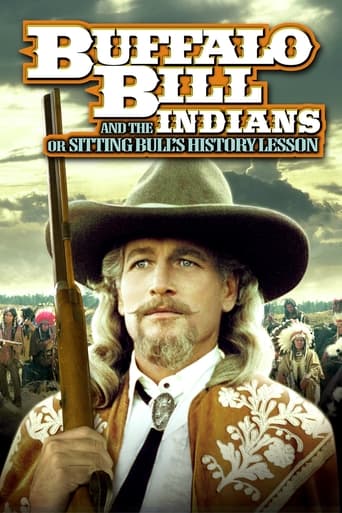 1976Buffalo Bill and the Indians, or Sitting Bull's History Lesson123 min5.6
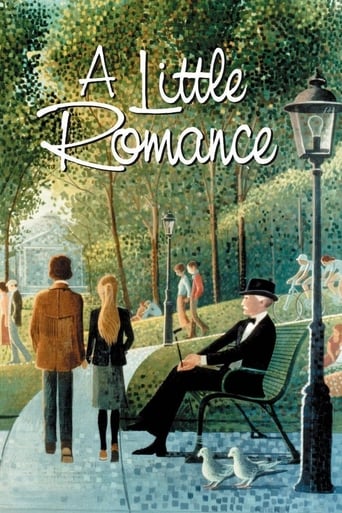 1979A Little Romance108 min6.9
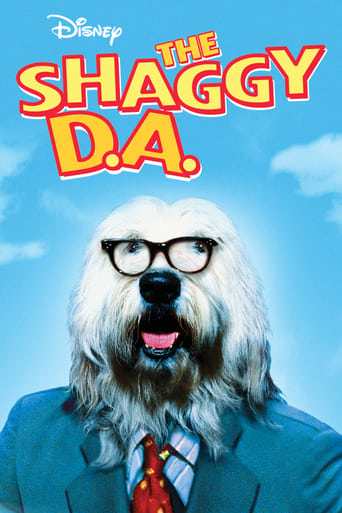 1976The Shaggy D.A.91 min5.8
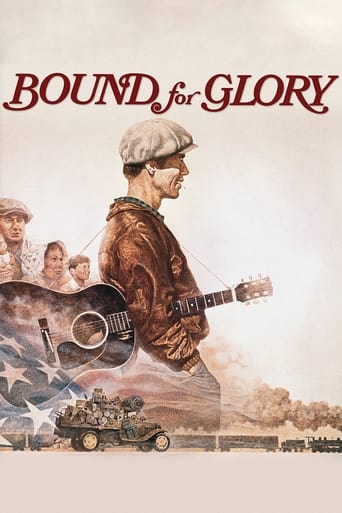 1976Bound for Glory148 min6.9
 1978Ice Castles108 min7.4
 1979My Brilliant Career100 min6.2
 1975The Strongest Man in the World92 min6.2
Lap three: 1980 to 1984
Whole lap ›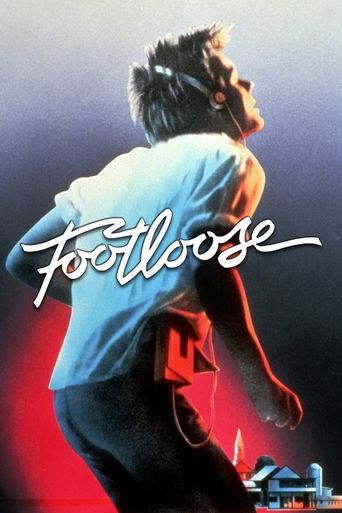 1984Footloose107 min6.7
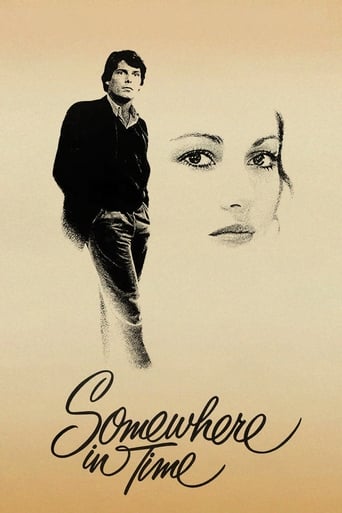 1980Somewhere in Time103 min7.5
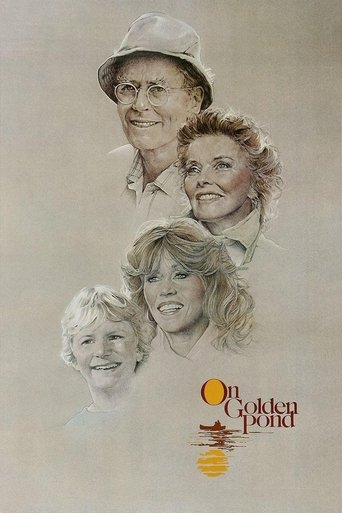 1981On Golden Pond109 min7.3
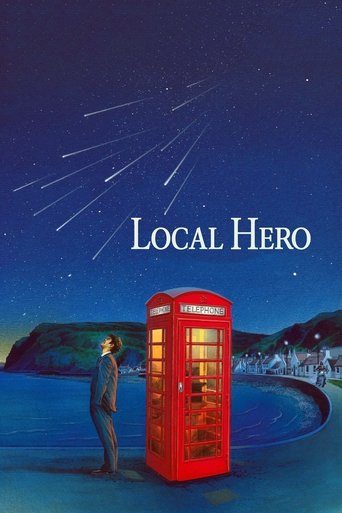 1983Local Hero111 min6.8
 1983Mr. Mom91 min6.6
 1980Bronco Billy116 min6.3
 1984Electric Dreams96 min6.4
 1984The Lonely Guy90 min6.2
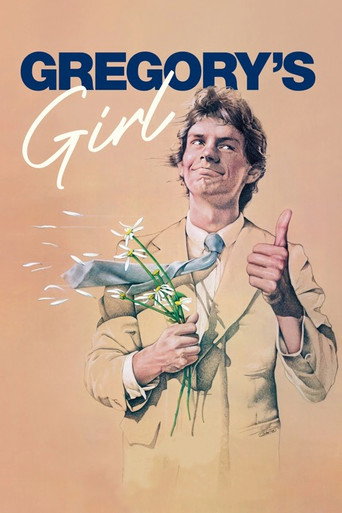 1980Gregory's Girl91 min6.8
 1982Author! Author!110 min6.0
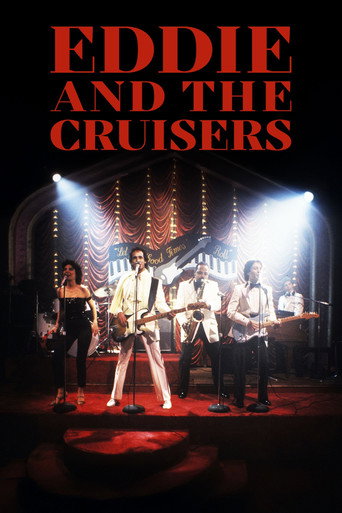 1983Eddie and the Cruisers95 min6.6
 1980The Jazz Singer115 min5.9
Lap four: 1985 to 1989
Whole lap ›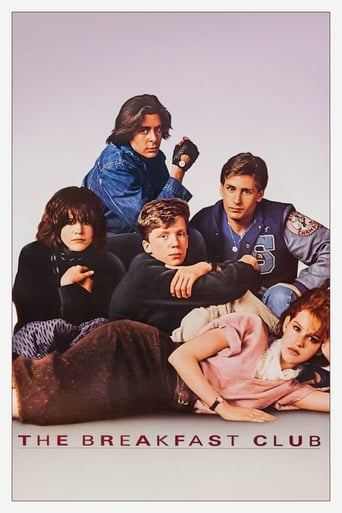 1985The Breakfast Club98 min7.7
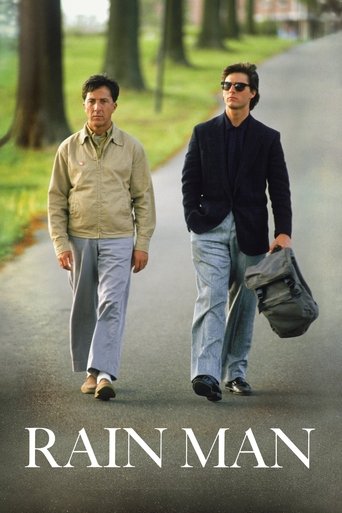 1988Rain Man134 min7.7
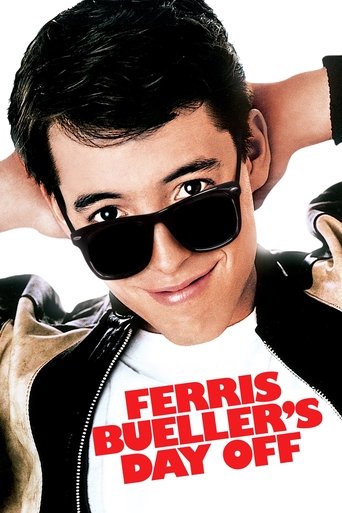 1986Ferris Bueller's Day Off103 min7.6
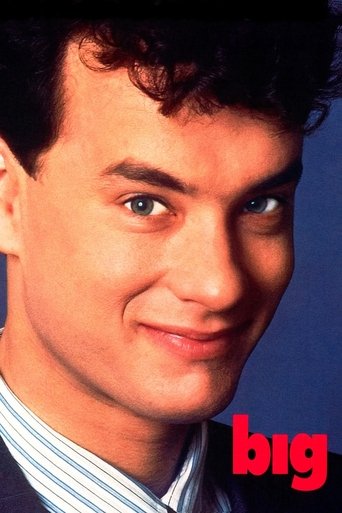 1988Big104 min7.2
 1989National Lampoon's Christmas Vacation97 min7.2
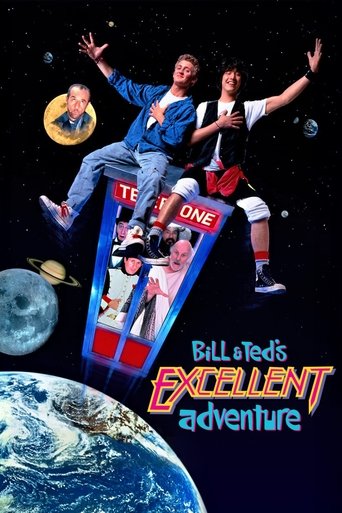 1989Bill & Ted's Excellent Adventure90 min6.8
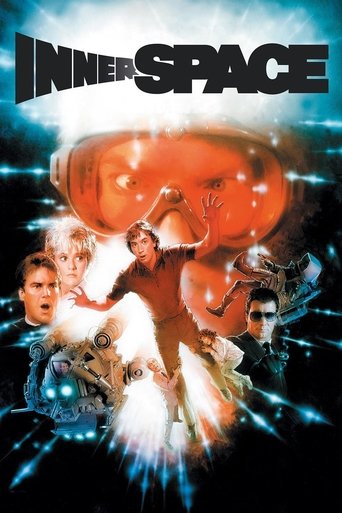 1987Innerspace120 min6.8
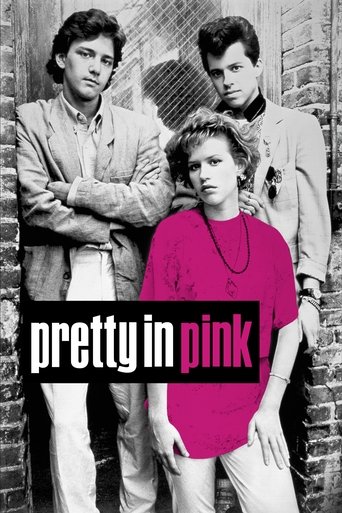 1986Pretty in Pink97 min6.7
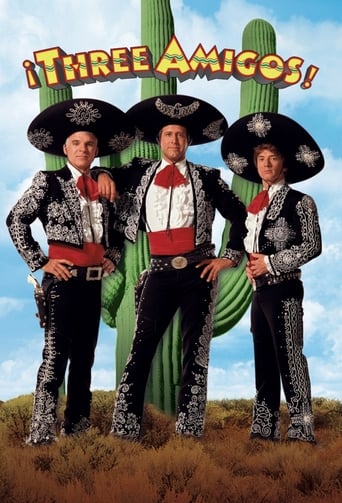 1986¡Three Amigos!103 min6.3
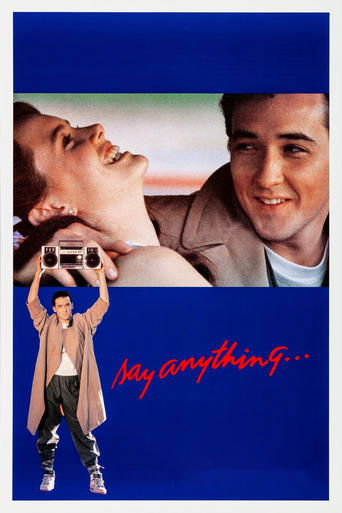 1989Say Anything...100 min7.0
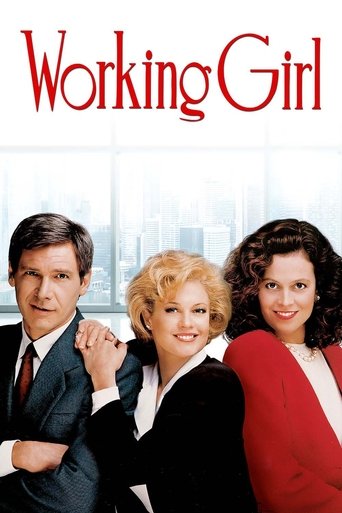 1988Working Girl114 min6.6
 1985Return to Oz109 min6.7
More lists
Top rated films 31Family 65Comedy 77Drama 87Romance 43Adventure and fantasy 49Music 19Animal stories 25Westerns 10Television films 21From Britain, Australia and Canada 37True stories 12
The DashFlix guide
DashFlix: a dash back to the seventies and eighties, 161 films from The Railway Children and Breaking Away to The Breakfast Club, Big and Rain Man
DashFlix is a guide to twenty years of cinema, 1970 to 1989, run in four laps of five years each. It holds 161 English-language films: twenty-eight from 1970 to 1974, thirty from 1975 to 1979, thirty from 1980 to 1984 and seventy-three from 1985 to 1989. Each film has a page with its cast, a summary and a Watch now button, and together they run to about 280 hours.
These two decades are remembered for a handful of enormous films, and they also produced an abundance of smaller ones that families watched on Sunday afternoons, rented on videotape and half forgot: live-action Disney comedies, stories about a child and a horse, gentle British and Australian films, and features made for television that drew audiences larger than most cinema releases. This guide gives that second kind as much room as the famous names.
Every film was screened by hand for a family audience, which suits the period well. A great deal of what was made for cinemas and for television between 1970 and 1989 was meant to be watched by parents and children together, and it has aged more gracefully than many of the era's louder successes.
This guide explains the page, goes through the four laps in order, and then crosses them by kind: family films, animal stories, comedy, music, westerns, television films and films from outside Hollywood. The short version is on How to watch with DashFlix.
How DashFlix works
The page is deep navy with accents of hot pink, cyan and amber, and its headings slant forward in the manner of a racing poster. The header carries the logo with its three speed lines, a menu reading Home, 1970-74, 1975-79, 1980-84, 1985-89, Top rated and A-Z, and the pink My Garage button.
The home page opens with the name of the guide and a search box. Under the heading Four laps, twenty years come four tiles, each showing a span of years, a bar that fills a quarter further with every lap, and the count of films. Four blocks of posters follow, one per lap, each with the twelve most widely rated films of those years and a link to the whole lap. A poster has a slanted pink tag with its year, and beneath it are the title, the running time and the score in amber.
A film page gives the title, tags for the year, the running time and the genres, the summary, the Watch now button and the list button. A panel beside them has a selector with fifteen countries; choose one, press the button, and JustWatch lists the subscription, rental, purchase and free services that carry the film there. A table of facts, the cast and the director complete the page. Finding a film covers the search box and the lists.
How the laps are built
A film belongs to the lap of its year of release, and each lap lists every film in the guide from those five years, the most widely rated first. The last lap is much the fullest, with seventy-three films against about thirty for each of the others. The reason is practical: the films of the later 1980s were the first to be widely sold on videotape and shown again and again on television, so far more of them are remembered and rated today.
The earlier laps are smaller, and many of their films are less familiar today. A reader who knows the famous 1980s comedies already will find the most surprises in laps one and two. The four laps page gives the outline.
Lap one: 1970 to 1974
The first lap opens in England in 1970 with The Railway Children. Three children and their mother leave London for a cottage in Yorkshire after their father is taken away, and the railway line at the bottom of the field becomes the centre of their lives. Its last scene, on a station platform in drifting steam, has reduced several generations of viewers to tears. Swallows and Amazons, from 1974, is its summer companion: four children, a borrowed dinghy and a lake in the north of England, filmed where Arthur Ransome set his novel.
Melody, from 1971, is a London school story in which two eleven-year-olds announce that they intend to marry at once, to the bafflement of their teachers and parents; its songs are by the Bee Gees. Black Beauty, Tales of Beatrix Potter, danced in animal masks by the Royal Ballet, and a musical Alice's Adventures in Wonderland come from the same years of British family film-making. Jane Eyre, with George C. Scott as Rochester, was made for television in 1970, and The Boy Friend is Ken Russell's affectionate send-up of the stage musical, with Twiggy.
In America the lap belongs partly to Steve McQueen. Le Mans puts him in a Porsche for the twenty-four-hour race and hardly bothers with dialogue for its first half-hour; it is as close as a feature film has come to the sound and feel of the track. In Junior Bonner, directed by Sam Peckinpah in a gentle mood, he is a rodeo rider going home to a family and a town that have moved on.
The other westerns of the lap share that sense of an ending. Monte Walsh has Lee Marvin as a cowboy watching the open range close, and The Life and Times of Judge Roy Bean, with Paul Newman, treats a frontier legend as a tall tale. The Great Northfield Minnesota Raid retells the last ride of the James and Younger gang.
Two films about young men and institutions stand out. The Paper Chase follows a first-year student at Harvard Law School and his duel of wits with a formidable professor, a part that won John Houseman an Academy Award at seventy-one. The Candidate has Robert Redford as an idealistic lawyer talked into running for the Senate, and it remains the shrewdest film about an election campaign. 1776 sets the writing of the Declaration of Independence to music.
Disney's live-action comedies fill the remaining places: The Million Dollar Duck, The Barefoot Executive, in which Kurt Russell discovers a chimpanzee that can pick hit television programmes, Snowball Express and The Castaway Cowboy, with James Garner washed ashore in Hawaii. The Homecoming: A Christmas Story, the television film that led to a long-running series about a Virginia mountain family, Jeremy, From the Mixed-Up Files of Mrs. Basil E. Frankweiler, Where the Red Fern Grows, The Biscuit Eater, The Bears and I, Living Free and Hacksaw complete the lap. The lap one guide sorts the twenty-eight.
Lap two: 1975 to 1979
The second lap builds towards a single remarkable year. In 1979 four of the best films in the guide were released within months of one another. Breaking Away is about four friends just out of school in a university town in Indiana, one of whom is so devoted to cycling that he pretends to be Italian; it won the Academy Award for its screenplay and ends with one of the most satisfying races on film. The Black Stallion strands a boy and an Arabian horse on a desert island and tells the first half of its story almost in silence.
Norma Rae won Sally Field her first Academy Award as a textile worker in the American South who helps to organise her mill. A Little Romance sends two thirteen-year-olds from Paris to Venice with an elderly pickpocket, played by Laurence Olivier, to kiss under the Bridge of Sighs at sunset; it was the first film of Diane Lane. My Brilliant Career, from Australia, gave Judy Davis her first great part as a headstrong young woman of the 1890s who means to be a writer.
Earlier in the lap, The Goodbye Girl made Richard Dreyfuss the youngest winner of the best actor award to that date, as an actor forced to share a flat with a dancer and her daughter. Bound for Glory follows the folk singer Woody Guthrie through the dust-bowl years, and The Slipper and the Rose retells Cinderella as a British musical on the grand scale. Funny Lady continues the story of Fanny Brice.
Sport and animals share much of the rest. Ice Castles is about a young figure skater who loses most of her sight and learns to skate again, and International Velvet takes the heroine of an old favourite forward a generation, with Tatum O'Neal riding for Britain. Casey's Shadow has Walter Matthau as a Cajun horse trainer, and Running has Michael Douglas as a marathon runner. Storm Boy, from South Australia, is the story of a boy, a pelican and a lonely stretch of coast, and Tarka the Otter follows its hero down a Devon river.
The lap's comedies include House Calls, Starting Over, Corvette Summer, with Mark Hamill in search of a stolen car, The Shaggy D.A., The Strongest Man in the World and The Bad News Bears in Breaking Training. Elvis, with Kurt Russell, and Birth of the Beatles are two television biographies of 1979. Kenny & Company, The Sea Gypsies, the two Wilderness Family films, The Boy Who Talked to Badgers, ...And Your Name Is Jonah and Buffalo Bill and the Indians, or Sitting Bull's History Lesson complete the thirty. The lap two guide sorts them.
Lap three: 1980 to 1984
The third lap has a Scottish heart. Bill Forsyth made three of its films, and they are among the most quietly original comedies of the decade. Gregory's Girl, from 1980, is set in a new town near Glasgow, where a gangling schoolboy loses his place in the football team to a girl and promptly falls in love with her. Local Hero, from 1983, sends a young oil executive from Houston to buy a whole fishing village on the west coast of Scotland, and lets the place work on him until he hardly wants to go home; Burt Lancaster plays the company chairman, more interested in the stars than in oil. Comfort and Joy finds a radio presenter caught between two rival families of ice-cream sellers at Christmas.
On Golden Pond, from 1981, brought Henry Fonda and Katharine Hepburn together for the only time, as a couple spending what may be their last summer at a lake in New England, with Jane Fonda as their daughter. Both leads won Academy Awards. Somewhere in Time, made a year earlier, is a romance in which a playwright wills himself back to 1912 to meet an actress whose photograph he has seen; it was little noticed at first and has since gathered a devoted following.
The Chosen is the story of a friendship between two Jewish boys in Brooklyn in the 1940s, one from a modern family and one the son of a Hasidic rabbi. Cross Creek follows the writer Marjorie Kinnan Rawlings to a Florida orange grove, and A Long Way Home, made for television, has Timothy Hutton as a young man searching for the brother and sister from whom he was separated in childhood.
The comedies of the lap are led by Mr. Mom, written by John Hughes, in which a laid-off engineer stays at home with three children while his wife goes to work. The Lonely Guy has Steve Martin, Author! Author! Al Pacino as a playwright with a houseful of stepchildren, I Ought to Be in Pictures Walter Matthau, and Bronco Billy Clint Eastwood as the owner of a travelling Wild West show. Midnight Madness is an all-night treasure hunt across Los Angeles, and Goodbye Pork Pie a road film from New Zealand in a small yellow car that loses parts all the way from one end of the country to the other.
Music gives the lap Footloose, Eddie and the Cruisers and The Jazz Singer, and early home computing gives it Electric Dreams, a romance in which a man, a woman and a desktop computer fall into a triangle. Two swashbucklers made for television star Anthony Andrews, Ivanhoe and The Scarlet Pimpernel. The Black Stallion Returns, The Golden Seal, The Last Flight of Noah's Ark, The Courage of Kavik, the Wolf Dog, Bush Christmas, Kidco, Oxford Blues, The Night They Saved Christmas and Little House: Look Back to Yesterday complete the thirty. The lap three guide sorts them.
Lap four: 1985 to 1989
The last lap is the one most visitors will know best, and it is led by the films of John Hughes. The Breakfast Club, from 1985, shuts five pupils of different tribes in a school library for a Saturday and lets them talk. Ferris Bueller's Day Off, from 1986, gives a schoolboy the best day off in the history of truancy, and Pretty in Pink and Some Kind of Wonderful, which Hughes wrote, tell the same story of love across a class divide from two sides. He also wrote The Great Outdoors and National Lampoon's Christmas Vacation, which closes the decade.
1988 was an exceptional year. Rain Man won the Academy Award for best picture, with Dustin Hoffman and Tom Cruise as brothers crossing America by car. Big let Tom Hanks play a boy of twelve in a man's body. Working Girl sent a secretary from Staten Island up the ladder of a Wall Street firm, and Stand and Deliver told the true story of a teacher in East Los Angeles whose pupils did so well at calculus that they were suspected of cheating. Tucker: The Man and His Dream is Francis Ford Coppola's portrait of a car maker of the 1940s who was ahead of his time.
The lap's dramas include 84 Charing Cross Road, in which a New York writer and a London bookseller correspond for twenty years and grow fond of each other entirely by post, Steel Magnolias, set in a Louisiana beauty parlour, Parenthood, Housekeeping, Bill Forsyth's American film about two sisters and their unconventional aunt, Madame Sousatzka, with Shirley MacLaine as a piano teacher, and Shirley Valentine, in which a Liverpool housewife takes herself to Greece. Say Anything... is the most honest of the decade's teenage romances.
From Canada comes Anne of Green Gables, the 1985 television version with Megan Follows as the red-haired orphan of Prince Edward Island; at 199 minutes it is the longest film in the guide and, at 8.1, one of the two highest in score. From Australia come The Year My Voice Broke and The Man From Snowy River II, and from Britain Dreamchild, in which the elderly woman who was once the model for Alice travels to New York in 1932.
The comedies are too many to name in full. Pee-wee's Big Adventure was the first feature directed by Tim Burton. ¡Three Amigos! sends three silent-film cowboys to a Mexican village that takes them for real heroes. Overboard, The Secret of My Success, Innerspace, Peggy Sue Got Married, Bill & Ted's Excellent Adventure, Summer School, One Crazy Summer, Summer Rental, Troop Beverly Hills, Chances Are and Moving all belong here, with Murphy's Romance and Made in Heaven for something gentler. The lap four guide sorts the seventy-three.
Family films
Sixty-five of the 161 films are marked for family viewing, the largest share of any guide of this kind, and they fall into recognisable groups. The first is the adaptation of a classic children's book. The Railway Children, Swallows and Amazons, Black Beauty, The Secret Garden, Anne of Green Gables, Alice's Adventures in Wonderland and Where the Red Fern Grows all treat their sources with respect, and several were filmed in the very landscapes the authors described.
The second is the Disney live-action comedy, a form the studio turned out steadily through the 1970s. A typical example has a likeable young man, an animal or an invention with unexpected powers, a villain after it, and a chase. The Barefoot Executive, The Million Dollar Duck, The Strongest Man in the World, The Shaggy D.A. and Snowball Express are all of this kind; two of them star a very young Kurt Russell and three the studio's regular leading man, Dean Jones. In the 1980s the studio grew more ambitious with Return to Oz, a darker and stranger sequel that has found admirers with time, and with Baby: Secret of the Lost Legend and Cheetah.
The third group is the children's adventure in which the young solve their own problems. Kidco is based on a real case of four children who set up a fertiliser business and ran into the tax authorities. In The Wizard, three children cross the country to a video-game championship. SpaceCamp launches a group of teenagers into orbit by accident, Rad is about a boy and his racing bicycle, and Tommy Tricker and the Stamp Traveller, from Canada, lets children travel the world on postage stamps.
The fourth is the Christmas film, well supplied in these years: Santa Claus: The Movie, Ernest Saves Christmas, The Night They Saved Christmas, Babes in Toyland, Christmas Comes to Willow Creek, A Very Brady Christmas, Bush Christmas, an Australian adventure with a very young Nicole Kidman, and The Homecoming: A Christmas Story. The family guide sorts the sixty-five.
Animal stories
Twenty-five films are about animals, and the period was a golden one for them. Horses lead. The Black Stallion is widely thought the most beautiful film ever made about a horse, and The Black Stallion Returns takes boy and stallion to North Africa. International Velvet, Black Beauty, Casey's Shadow, Hacksaw and The Man From Snowy River II fill out the stable.
The films about wild creatures were often made far from any studio, with real animals and a great deal of patience. Tarka the Otter was shot on the rivers of north Devon. Storm Boy was filmed on the Coorong in South Australia with trained pelicans, one of which became a national celebrity. Living Free continues the true story of a lioness and her cubs in Kenya, The Golden Seal is set in the Aleutian Islands, and The Bears and I in the mountains of British Columbia. When the Whales Came takes place on the Isles of Scilly in 1914.
Dogs have Where the Red Fern Grows, The Biscuit Eater, Benji the Hunted and The Courage of Kavik, the Wolf Dog, and a boy has badgers for company in The Boy Who Talked to Badgers. The two The Adventures of the Wilderness Family films, the second called The Further Adventures of the Wilderness Family, follow a city family who move to a log cabin in the mountains; they were made independently for very little and filled cinemas across America. The animal stories guide sorts the list.
Comedy
Seventy-seven films carry the comedy tag, and forty-four of them come from the last lap. The 1980s were a great decade for comedies built on a simple premise carried through with conviction. A boy wakes up as a man in Big; a woman wakes up as a girl of seventeen in Peggy Sue Got Married; a spoilt heiress loses her memory and is claimed by a carpenter in Overboard; a post-room boy invents an executive and has to be both in The Secret of My Success; a test pilot is shrunk and injected into a hypochondriac in Innerspace.
The teenage comedy is the decade's other gift. Beside the John Hughes films stand Lucas, about a small, clever boy in love with an older girl, Summer School, One Crazy Summer, Back to the Beach, Student Exchange and Bill & Ted's Excellent Adventure. The holiday comedy is a third: Summer Rental and The Great Outdoors both star John Candy, and National Lampoon's Christmas Vacation turns a family Christmas into a siege.
The comedies of the 1970s are quieter and more adult. Neil Simon wrote The Goodbye Girl and I Ought to Be in Pictures, and his play became Brighton Beach Memoirs in 1986. House Calls pairs Walter Matthau and Glenda Jackson, and Starting Over is a comedy about divorce played with unusual tenderness. Water, from 1985, is a British satire with Michael Caine as the governor of a forgotten Caribbean island on which mineral water is discovered. The comedy guide sorts the list.
Music
Nineteen films are about music, and they cover a surprising range. The biographies come first. Bound for Glory follows Woody Guthrie from Texas to California in the 1930s, and was among the first films to use the Steadicam. Sweet Dreams has Jessica Lange as Patsy Cline. Elvis, Birth of the Beatles and The Karen Carpenter Story were all made for television and all drew very large audiences.
'Round Midnight, directed by Bertrand Tavernier in 1986, is the finest film about jazz in the guide: the saxophonist Dexter Gordon plays an ageing American musician in Paris in 1959, and a real band plays live on screen. Tap gathers the old masters of tap dancing around Gregory Hines. Madame Sousatzka is about a piano prodigy and his teacher.
The musicals proper are 1776, The Slipper and the Rose, The Boy Friend, Funny Lady, Alice's Adventures in Wonderland and Sunday in the Park with George, a filmed performance of Stephen Sondheim's work about the painter Georges Seurat. Polly, a television musical of 1989 set in a small Southern town in the 1950s, has the highest score in the whole guide at 8.2. Rock and roll supplies Eddie and the Cruisers, The Jazz Singer, Footloose and The Compleat Al, a mock biography of a well-known parodist. The music guide sorts the nineteen.
Westerns
Ten films are westerns or frontier stories. By 1970 the classic western had run its course, and the films of the first lap know it. Monte Walsh and Junior Bonner are elegies for men whose skills are going out of use. The Life and Times of Judge Roy Bean and Buffalo Bill and the Indians, or Sitting Bull's History Lesson examine how legends were manufactured, the second with Paul Newman as a showman who has come to believe his own posters.
After that the form survived mainly as comedy and as family adventure. The Castaway Cowboy moves a Texan to Hawaii, Bronco Billy sets its cowboy in a modern tent show, and ¡Three Amigos! plays the whole tradition for laughs. The Man From Snowy River II rides the high country of Victoria, and Little House: Look Back to Yesterday returns to the prairie. The westerns guide lists the ten.
Television films
Twenty-one films in the guide were first made for television, and the period was the high point of the form. Before home video, a film shown on a network on a Sunday evening might be watched by a third of the country, and broadcasters invested accordingly. The literary adaptations were often made in Britain with American money and seen on both sides of the Atlantic: Jane Eyre, Ivanhoe, The Scarlet Pimpernel and The Secret Garden are of this kind.
Others were sequels to cinema successes, made for the small screen years later with some of the same cast: The Parent Trap II and Parent Trap III, Splash, Too, A Very Brady Christmas and Ollie Hopnoodle's Haven of Bliss, a summer story from the writer whose Christmas tale had become a favourite a few years earlier. Young Again gave a first leading part to a teenage Keanu Reeves, who also appears in Babes in Toyland.
The best of the television dramas stand comparison with cinema releases. ...And Your Name Is Jonah is about a deaf boy who had been wrongly placed in an institution, and his mother's fight to reach him. A Long Way Home, The Homecoming: A Christmas Story and The Karen Carpenter Story were all events in their day. The television films guide sorts the twenty-one.
From Britain, Australia and Canada
Thirty-seven films were made outside Hollywood, and they give the guide much of its character. British family films of the early 1970s have already been described. In the 1980s British cinema found a new confidence in small subjects: Bill Forsyth's three Scottish comedies, 84 Charing Cross Road, Shirley Valentine, Dreamchild, Madame Sousatzka and When the Whales Came. Santa Claus: The Movie and Return to Oz were large productions made in British studios, and Electric Dreams and Oxford Blues brought American leads to London and Oxford.
Australian cinema was reborn in these years, and the guide holds some of its landmarks. Storm Boy, from 1976, and My Brilliant Career, from 1979, were among the films that announced the revival. The Year My Voice Broke, from 1987, is a tender story of first love in a country town in 1962, and The Man From Snowy River II returned to the most popular Australian film of its day. Bush Christmas is a children's adventure in the Queensland hills.
New Zealand contributes Goodbye Pork Pie, the first local film to recover its cost at home, and Canada Anne of Green Gables, Tommy Tricker and the Stamp Traveller and The Courage of Kavik, the Wolf Dog. The list is the place to look for a film that feels different in pace and accent from the American mainstream of its year.
True stories
Twelve films are based on real lives. The strongest is Stand and Deliver, with Edward James Olmos as Jaime Escalante, the mathematics teacher who persuaded students at a struggling school that calculus was within their reach. Norma Rae was drawn from the life of a union organiser in North Carolina, and Tucker: The Man and His Dream from that of the car maker Preston Tucker, who built fifty remarkable cars before his company was closed.
84 Charing Cross Road is taken from the real letters of the writer Helene Hanff. Cross Creek, Bound for Glory, Sweet Dreams and 'Round Midnight, which is loosely drawn from the lives of two jazz musicians, belong to the arts. Living Free continues a true account from Kenya, and 1776 sets the summer of American independence to music with more fidelity to the record than might be expected.
Top rated
The Top rated list gathers the thirty-one films with an audience score of 7.0 or more. The scores are TMDB averages of ratings by registered viewers, and each film page shows how many ratings stand behind its figure. Ten of the thirty-one date from the 1970s and twenty-one from the 1980s, which is close to the share of each decade in the guide as a whole.
Polly stands first at 8.2 and Anne of Green Gables second at 8.1. Stand and Deliver has 7.8, and four films share 7.7: The Breakfast Club, Rain Man, The Secret Garden and A Long Way Home. Ferris Bueller's Day Off follows at 7.6, and Somewhere in Time, Swallows and Amazons and Sunday in the Park with George at 7.5.
Four films share 7.4: Ice Castles, International Velvet, The Sea Gypsies and Ollie Hopnoodle's Haven of Bliss. At 7.3 are On Golden Pond and The Homecoming: A Christmas Story, and at 7.2 Big, Breaking Away, Norma Rae, Steel Magnolias, 84 Charing Cross Road, National Lampoon's Christmas Vacation and The Karen Carpenter Story.
A word of caution is in order. Several of the highest scores belong to television films with a few dozen ratings each, given by viewers who have loved them since childhood. They are good, and their figures would settle a little lower with a wider audience. The famous cinema releases have been rated by thousands, and their scores are as firm as scores get. The top rated page explains the rule.
Faces across the laps
Twenty years is long enough to watch careers begin, turn and end, and the search box makes it easy. Kurt Russell is the clearest case. He is a Disney juvenile in The Barefoot Executive in 1971 and The Strongest Man in the World in 1975, a startlingly convincing Elvis Presley in the television film of 1979, and a carpenter with four sons in Overboard in 1987, opposite Goldie Hawn.
Walter Matthau appears in three films across two laps, Casey's Shadow, House Calls and I Ought to Be in Pictures, each time as a rumpled man with more heart than he admits. Sally Field wins her Academy Award in Norma Rae and is seen again in Murphy's Romance and Steel Magnolias. Tom Hanks has Big; Michael Keaton has Mr. Mom; Steve Martin has The Lonely Guy, ¡Three Amigos! and Parenthood; and John Candy turns up in Summer Rental and The Great Outdoors.
The young actors of the last lap are a study in themselves. Molly Ringwald leads The Breakfast Club and Pretty in Pink. Matthew Broderick is Ferris Bueller. John Cusack is in One Crazy Summer and Say Anything..., and Keanu Reeves in two television films and Bill & Ted's Excellent Adventure. Winona Ryder made her first appearance in Lucas, and Diane Lane hers in A Little Romance seven years earlier.
Older stars took their bows in these years as well. Katharine Hepburn and Henry Fonda are in On Golden Pond, Laurence Olivier in A Little Romance, Ingrid Bergman in From the Mixed-Up Files of Mrs. Basil E. Frankweiler, and Burt Lancaster in Local Hero. Anne Bancroft and Anthony Hopkins carry 84 Charing Cross Road between them from opposite sides of the Atlantic, their characters joined only by the post.
Directors of the period
A few directors recur and are worth following. Bill Forsyth has four films in the guide, the three Scottish comedies and Housekeeping, and a manner all his own: unhurried, dry, and fond of people who are slightly out of step. John Hughes directed The Breakfast Club and Ferris Bueller's Day Off and wrote five more of the films listed.
Carroll Ballard made The Black Stallion after years of filming nature, which shows in every frame. Peter Yates directed Breaking Away, and Martin Ritt both Norma Rae and Cross Creek and Murphy's Romance, three films built around strong women in the American South and West. Lionel Jeffries, better known as a character actor, directed The Railway Children with a sure touch that he was seldom given the chance to use again.
Some famous names are represented by unexpected films. Francis Ford Coppola made Tucker: The Man and His Dream and Peggy Sue Got Married. Robert Altman made Buffalo Bill and the Indians, or Sitting Bull's History Lesson, John Huston The Life and Times of Judge Roy Bean, Sam Peckinpah Junior Bonner, Ken Russell The Boy Friend, Hal Ashby Bound for Glory, and Penny Marshall Big. John Carpenter, known for very different work, directed the television Elvis.
The video shop on a Friday
Many readers will have met these films in a particular way: on a shelf in a rental shop, in a plastic case with a sun-faded cover. Home video arrived in the middle of the period this guide covers, and it changed which films were remembered. A cinema release of 1978 that had vanished after a few weeks could find a second and much longer life on tape, passed between households and worn thin by children who watched it every weekend.
That history explains some of the scores. The Sea Gypsies, The Adventures of the Wilderness Family, Rad, The Wizard, Troop Beverly Hills and Ernest Saves Christmas were modest successes or less in cinemas and became fixtures of the family shelf. The same is true of the Disney comedies, which the studio reissued on tape for a new generation.
DashFlix is meant to be browsed in the spirit of that shop. The posters carry their year on a slanted tag, the laps stand for the shelves, and the pleasure lies as much in the half-remembered title as in the celebrated one. A visitor who thinks, on seeing a poster, that it was watched once at a cousin's house in 1986 has found what the guide is for.
Running times
Under each poster the guide prints the running time, and the films of this period are agreeably brief. The average is an hour and forty-four minutes, and most of the family films finish in an hour and a half. The shortest are The Parent Trap II at eighty-one minutes, Cheetah at eighty-three, and Parent Trap III and The Frog Prince at eighty-six.
The longest is Anne of Green Gables at three hours and nineteen minutes, which was first shown in two parts and is best watched that way. Elvis runs two hours and forty-eight minutes, Bound for Glory two hours and twenty-eight, and The Slipper and the Rose two hours and twenty-six.
Eight evenings, two from each lap
For a reader who wants a way in, here are eight films, two from each lap, one well known and one less so. From 1970 to 1974: The Railway Children and The Paper Chase. From 1975 to 1979: Breaking Away and Storm Boy. From 1980 to 1984: Local Hero and The Chosen. From 1985 to 1989: Big and Housekeeping.
A household with younger children might prefer Swallows and Amazons, The Black Stallion, The Shaggy D.A., Tarka the Otter, Return to Oz, The Secret Garden, The Wizard and Anne of Green Gables. And for a week of pure comedy from the last lap: Ferris Bueller's Day Off, Overboard, ¡Three Amigos!, Innerspace, Big, Bill & Ted's Excellent Adventure and National Lampoon's Christmas Vacation.
The four lap buttons in the menu make it simple to take the years in order, which has an interest of its own. The cars lengthen and then shrink, the telephones acquire buttons, the music moves from acoustic guitars to synthesisers, and the children on screen, who cycle everywhere unsupervised in 1972, are still doing so in 1989.
My Garage
My Garage is the list each visitor keeps. The list button beside Watch now on a film page adds the film, and the pink My Garage button in the header opens the list from any page. The list is stored in the browser on the device in use, so it is ready from the first visit and works free of any sign-up form, with name and address left unasked. The list page can save it as a file, which is the way to move it to another device.
A garage is where things are kept until the weekend, and the list works best in the same way: a handful of films parked for a wet Saturday, with room to add the next one that a poster brings to mind. The My Garage page gives the steps.
Where the films play
DashFlix is a guide, and the films themselves are held by the streaming services and digital stores. The Watch now button passes the title and the chosen country to JustWatch, which records each day what every service offers. The fifteen countries in the selector include the United States, the United Kingdom, Canada, Australia, Ireland, New Zealand, India and South Africa.
The well-known films of the last lap are carried almost everywhere. The Disney comedies sit on the studio's own service. The smaller films of the 1970s and the television features are harder to predict: some are offered by free services supported by advertising, some only for rental or purchase, and a few come and go. Availability also differs between countries, British and Australian films being easiest to find at home. The answer shown is always the one for today.
Questions and answers
Questions
What is DashFlix?
DashFlix is a guide to 161 English-language films made from 1970 to 1989. Each film has a page with its cast, a summary and a Watch now button.
What are the four laps?
Five-year spans: 1970 to 1974 with 28 films, 1975 to 1979 with 30, 1980 to 1984 with 30 and 1985 to 1989 with 73.
Does DashFlix host the films?
DashFlix is a guide only. Watch now opens JustWatch for the country you choose, which lists the subscription, rental, purchase and free services carrying the film.
Which films have the highest scores?
Polly at 8.2 and Anne of Green Gables at 8.1, followed by Stand and Deliver at 7.8 and four films at 7.7, among them The Breakfast Club and Rain Man.
Is the guide suitable for families?
Yes. Every film was screened by hand, and 65 of the 161 are marked as family viewing, from The Railway Children to Return to Oz.
Are television films included?
Yes. Twenty-one films first made for television are listed, among them Jane Eyre, Elvis and The Secret Garden.
Are there films from outside Hollywood?
Thirty-seven come from Britain, Australia, New Zealand and Canada, including Local Hero, Storm Boy and Anne of Green Gables.
Which is the oldest film?
The guide begins in 1970 with The Railway Children, Monte Walsh and a television Jane Eyre.
What is My Garage?
My Garage is a personal list kept in the browser. A button on each film page adds or removes the film, and the pink button in the header opens the list.
Is an account needed?
The whole guide is open to every visitor. Search, the four laps and My Garage all work from the first visit.
How do I find a film quickly?
Type part of its name, an actor or a year in the search box, press a lap in the menu, or open the A-Z index.
Is the design copied from an older site?
The design is original. The archive holds only parking pages under this name, so the look was made for this guide.
